Wednesday, 30 September 2015

Typography Analysis

Typography is the style of text used in a title sequence of a film and can be used in many ways to portray various themes. In this, I will be analysing the typography of three different title sequences and the effect it has on the audience.

FRINGE

Fringe, which is a sci-fi drama, has a title sequence which reveals a lot of the themes running throughout the show. The use of bold, blocky simple, all-caps text suggests that the show will be more serious than most. The use of scientific and even some unnatural words points to the idea of supernatural occurrences in the show. The image of a handprint in the show also implies that it will have mystery elements in the form of clues and possibly crime scenes. The entirety of the title sequence also revolves around the zooming out from details to reveal a larger picture, suggesting the how thorough the characters in the show may be with clues. That theme could also allude to there being an conspiracy in the show, with them seeing 'the big picture'.


ZOMBIELAND

Zombieland's title sequence makes clever use of kinetic typography by integrating the text into the world of the film. In each scene of the title sequence, the titles and names are affected by things occurring in the film, bringing to mind the film's self-conscious thematic parody of zombie apocalypses and slight poking of the fourth wall. By doing this we also see the destructive nature of the people and possibly suggests the destructive tendencies of the film itself. The red blocky all-caps text connotes the idea of blood and gore in the film but the white outline of the text represents the light-hearted comedic side of the film.


PANIC ROOM


 In Panic Room's title sequence, the large, grey, blocky, stationery, all-caps text is quite dull and juxtaposes the title of the film, 'Panic Room', which brings to mind frantic or frenetic text yet what we see is a very plain, slow, title font. The use of this type of text, especially coupled with the simplistic, grayscale buildings and the lack of diegetic sound, creates a very calm and boring atmosphere. The bevelled and reflective nature of the text once again makes it stand out where as it would've blended into the environment. The camera angles utilised in the title sequence are also notable as some are low angle and others are high angle, to the point where they begin to look like point of view shots, as if someone were sticking their head out of a window to look.


Tuesday, 29 September 2015

Barthes Code

Roland Barthes believed that a number of codes were used in all creative works, including films. Today I will look at the way two of those codes can be seen in the scenes of the films, Minority Report and Inglorious Basterds.

Barthes' Codes

Hermeneutic Code(Enigma Code) - This code states that unanswered questions are created in movies through events or storytelling that the audience wants answered This can be used to great effect in order to create intrigue and keep viewers interested in a film.

Proairetic Code(Action Code) - The code states that events or actions that occur which leads to further action or reaction in the film. This code allows a movie to have a film flowing story and creates a sequence of events that gives a viewer reason t have continued interest in the film. The code sometimes is even played with by using flashbacks to use the code n reverse, by revealing the events that occurred to create the state the film is set in.

INGLORIOUS BASTERDS

The opening scene of Inglorious Basterds applies the hermeneutic code a number of times to create interest in the film. The film begins with a man and a woman working in the French countryside as they are alarmed by police cars heading towards their home. This alone creates questions we(the audience) want the answer to: Why are the police looking for them? Why were they not surprised? Does that mean they're guilty? Why did the lady hide? Is she the culprit? The proairetic code is also utilised by the film by allowing what occurs in the opening lead the rest of the story through out the rest of the film. The proairetic code could also be said to have been used for the events that lead to the woman being hunted down by the police.


MINORITY REPORT

Minority Report though is definitely more science fiction than Inglorious Basterds, it stills make use of the codes that Barthes codes, further proving Barthes theory that these codes are deployed in all pieces of creative work. Minority Report employs the use of the hermeneutic code by setting the film in a time that is unknown to the audience of today. The film which is set in the future in which many developments in technology have been made  which makes the audience simply ask: What are all these things and what do they do? The use of the balls and the ladies in water also would confuse the viewer and leave them wanting to know more about the system of precrime and how theses floating bathtub ladies can see future crimes. The proairetic code comes into action as we see the a man kill his wife and we would wonder what the consequences of that are or what the consequences of the Precrime unit being able to stop the murder will be.


Monday, 14 September 2015

Title Sequence Comparison (Dexter and Blue Valentine)

Title sequences, though, it may not seem it, are the crux of many films. An intriguing or exciting title sequence could be the difference between a viewer watching a film, or changing the channel to an undeniably more reliable experience like Shawshank Redemption.

In this, I will be comparing two different title sequences and showing how they use images and colour to introduce the audience to a film or show, sometimes without the viewers even noticing. The two title sequences I will be analysing will are from the Showtime drama Dexter, and romantic drama film, Blue Valentine.


DEXTER


The Dexter title sequence has a lot of iconography and contrasting images to get the point of who Dexter really is, through to the viewer. 


1.

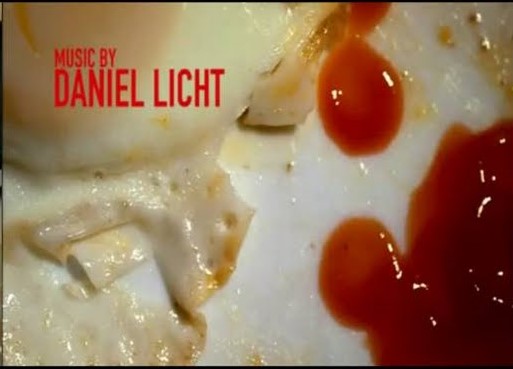
The image above shows the title card of the name of the show. The design of the title card itself is meant to reflect Dexter's character; the white background, pointing to Dexter's seemingly pure self, and the sinister, blotted, crimson text blemishing his outward, unadulterated appearance.


2.

This second frame displays Dexter wrapping string around his fingers, connoting the idea of strangling someone, when in fact Dexter is only flossing his teeth. This use of misdirection by the producer consistently used throughout the title sequence to confuse the viewer on how to feel about Dexter.


3.

This frame captures the Dexter violently cutting of an orange with a knife. However, is it really "violent",or are we just projecting what we believe to be true about Dexter, to make it feel more true? This is the effect that this frame is intended to have on the audience, to make them wonder whether they really trust this man, or whether they think he's a serial killer.


4.

In this image, we see Dexter, squeezing the juice out of a blood orange. With the name of the fruit itself being an oxymoron, as an 'orange' brings to mind a sweet, natural fruit while 'blood' being a sign of malevolent or criminal acts, the frame causes the viewer to realise Dexter may have more than one side to him.


5.

This fifth frame shows an extreme close up of Dexter's breakfast, which should appear innocent immediately seems evil when a blood-like liquid enters the shot, which though is only ketchup, still prompts the audience to believe something is not right about Dexter.


6.


In the final frame I'm analysing is a close up of Dexter's face, showing a very sinister look, straight at the camera. This here shows the use of low key lighting to make Dexter seem more dangerous and once again implant the idea that he is not what he seems. The use of the close up here also allows to try and understand the emotion on Dexter's face even better to help us decipher who he is.


BLUE VALENTINE


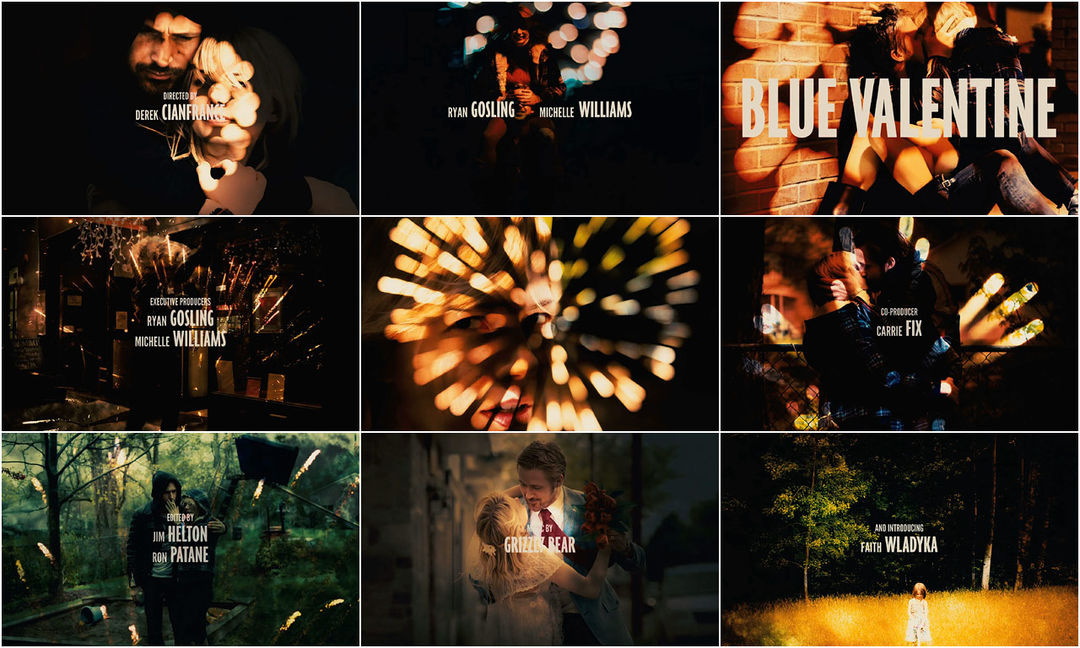
The Blue Valentine title sequence effectively also makes use of contrasting colours and images to get across the nature of the relationship of the two main characters.


1.

This image depicts a couple in close embrace, being surrounded by a wealth of darkness. The picture is also coming to life through a burst of light in the form of a firework. In the photo they seem like a happy couple, yet the black engulfing them could signal there is something darker in their relationship, similar to the dark themes in Dexter.


2.

This second frame has low key lighting, like some of the shots in the Dexter title sequence. this use of such dark lighting could signal that this seemingly happy couple, have had their fair share of unfortunate times. Even the scene that their set in is desolate and depressing, and instead of the fireworks possibly looking uplifting, it tends to add to the destructive look of the shot.


3.

This shot is a lot happier and makes use of much brighter lighting. The image is quite wide to encapsulate the state of joy in the photo. The sepia filter on the photos suggests that the pictures are old and were taken in the past, suggesting that this gleeful state that their in in this frame may not be the state of their relationship in the present.


4.

This fourth frame once again shows a firework erupting onto a photo, but what is being displayed in this photo is not clear. It is a close up of Michelle Williams, but her face emotion is not apparent. She does not seem, happy, or sad, rather indifferent, which is not particularly positive for a relationship. This lets the audience know once again, as in Dexter, not all is well with the protagonists.


5.

By this part of the title sequence we are familiar with the repetitive nature of a firework exploding onto a past picture of the couple, followed by a pitch black screen. This repeating effect could mirror the couple that we are observing's relationship, with the brief fireworks, beaming light onto pleasant times in their relationship. Yet since a majority of the title sequence us spent on a black screen, that would suggest that the majority of their relationship involved them enduring dark times. The explosive nature of the fireworks could even signify fights or arguments that they repeatedly engaged in.


6.

The last frame I will analyse is the last photo the erupts from firework is one of a girl standing alone in a field. The use of a wide shot here is to empahsise the girl's loneliness and let the viewers understand she has no one helping or guiding her. This image can be taken a number of ways: one could think it was the female in the relationship in the past, others could believe it to be the child of the couple. I rather agree, with the latter as it suggests to audiences that her parents, who from the title sequence, we could guess did not have the greatest marriage, have become so distant (to each other) that she now feels suck in the middle, and forsaken.

Saturday, 12 September 2015

Conventions of the Thriller

LOW KEY LIGHTING


Dark lighting in scenes is essential in setting the genre and tone in a thriller. It also contributes to the mystery of the film. 

MYSTERY/ENIGMA


Mystery instills a sense of suspense in the viewers giving them continued interest in the movie, by keeping them asking questions.

SUSPENSE


Suspense is a factor that is compulsory for thrillers. It ensures the audience have intrigue in the film. Suspense is usually created from the mystery involved in thrillers.

SLOW/REALISTIC BUILD UP

The build up in thriller films makes sure the plot points of the aren't revealed too early in the movie and keep the viewers wanting more.

ISOLATED SETTINGS

Giving the film a setting that is secluded and desolate increases the mystery factor of it due to the area being lesser known and away from other parts of the world.

ACTION (sometimes)

Though it's not mandatory, some thriller films make use of action sequences in order to make it more flashy and exciting to watch.

DIEGETIC SOUND OF BREATHING

Diegetic sounds of breathing, especially when the source of the breathing is unknown, is very common in thrillers. It is a convention that, though, is not ubiquitous, is very effective in giving the atmosphere more tension.